Laboratory of Changjun Yin/Yuexiu District 510080 Guangzhou, China
yinchj3@mail.sysu.edu.cn/+86-020-87606870

Welcome to the
Yin Lab

Our group focuses on the functional impacts of tertiary lymphoid structures (TLSs) in chronic inflammatory diseases, i.e., atherosclerosis, Alzheimer's diseases, and cancers:

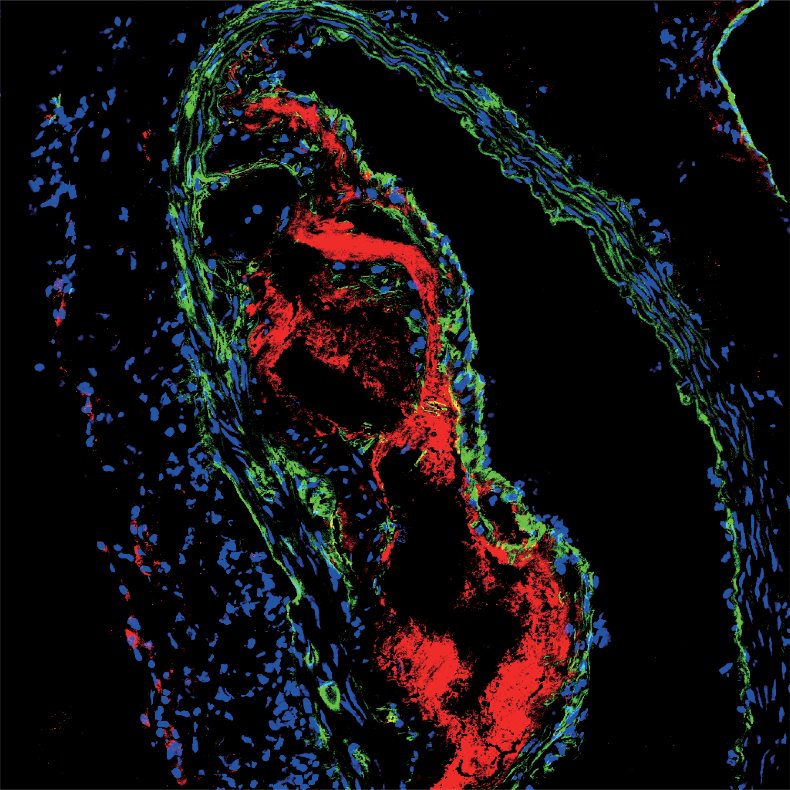
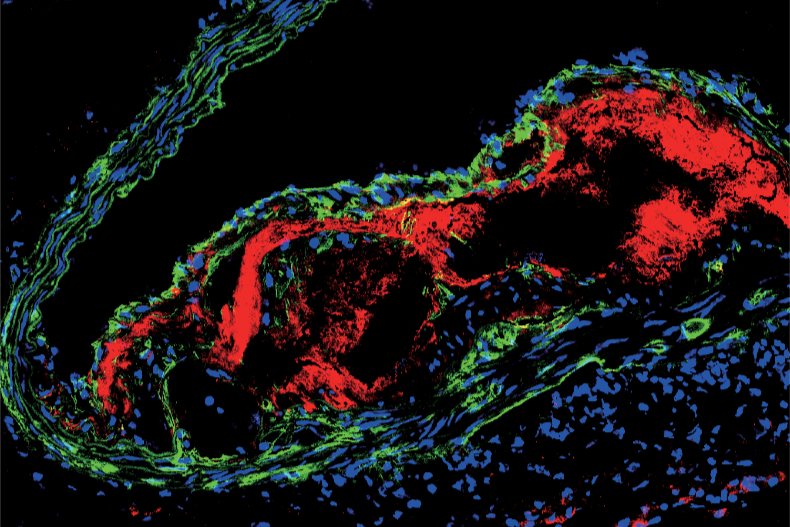
Immunofluorescence image of an atherosclerotic plaque
01

TLSs in cardiovascular disease and cancer

02

Atherosclerosis as an autoimmune disease

03

Tolerance failure in chronic inflammation

04

Next-generation immunotherapies

Research

Research programmes and current questions

Focus 01

Identify the functional impacts of TLSs in cardiovascular diseases and various types of cancer

TLSs are clusters of immune cells that form in response to chronic inflammation or long-lasting and unresolvable diseases. They aren't usually found in healthy tissue but can develop in areas with diseases like cardiovascular disease (e.g., atherosclerosis) and cancer. We are interested in understanding what these immune cell clusters do – specifically, whether TLSs help or harm the body when they appear in diseased tissues. Current evidence suggests that TLSs have the opposite roles depending on the disease type. For example, TLSs generally have a harmful impact, fueling the immune system's attack on healthy cells and aggravating the disease in atherosclerosis and autoimmune diseases; while TLSs are believed to support anti-tumor immunity in most of cancer types, and potentially to improve survival, though their effectiveness can vary.

Therefore, we are fascinated by the underlying mechanisms, we believed that understanding these impacts can guide targeted therapies in future: suppressing TLSs in autoimmune diseases and atherosclerosis and enhancing their anti-tumor functions in certain cancers.

Focus 02

Define atherosclerosis as a bona fide autoimmune disease

Atherosclerosis views the disease as a complex, multi-step process driven by interactions between lipids (fats), inflammation, and immune responses within the walls of arteries. Atherosclerosis is no longer seen as just a buildup of cholesterol; it is considered a chronic inflammatory disease with characteristics of both lipid metabolism disorder and immune dysfunction. A growing body of evidence supports the idea that atherosclerosis would be an autoimmune disease. Defining atherosclerosis as an autoimmune disease could change our approach to treatment and prevention. If autoimmune mechanisms are a central factor, therapies could target the immune system's inappropriate response instead of just focusing on lowering cholesterol or blood pressure. This shift could lead to more effective treatments, especially for individuals who continue to have atherosclerosis despite managing traditional risk factors.

Focus 03

Elucidation tolerance dysfunction in chronic inflammatory diseases

Chronic inflammatory diseases affect millions of people and often have severe, life-long impacts. We try to understand how the immune system's failure to maintain "self-tolerance" – its ability to avoid attacking the body's own tissues – contributes to diseases such as atherosclerosis. Tolerance dysfunction is a critical area because, in these diseases, the immune system mistakenly attacks healthy tissues, leading to chronic inflammation and tissue damage. A better understanding of this question will be crucial for disease mechanisms. By focusing on restoring tolerance, new treatments can be more precise, targeting only the dysfunctional immune pathways without compromising the entire immune system. This reduces the side effects and risks associated with broad immunosuppressive therapies, such as increased infection susceptibility.

Focus 04

Developing the next generation of immunotherapies

Understanding the above key questions, we are aiming to develop new the next generation of immunotherapies for chronic diseases. This is a major advancement in medical science, with the potential to offer safer, more effective, and more personalized treatment options.

Publications

Selected work from the laboratory

First/Corresponding authored publications by our group are indicated in bold.

2026

  1. 40Artery tertiary lymphoid organs encode a pathogenic high-affinity autoantibody−autoantigen pair in atherosclerosis. Nature Cardiovascular Research, 07 Sep 2026. doi.org/10.1038/s44161-026-00864-w
  2. 39PD-1 blockade unleashes local hepatitis B virus-related B cell response inhibiting hepatocellular carcinoma. Cancer Cell, 16 July 2026. DOI: 10.1016/j.ccell.2026.06.010
  3. 38Fitness Training for γδ T cells in mouse and human atherosclerosis takes place in plaques and artery tertiary lymphoid organs. Genome Medicine, 24 February 2026. doi: 10.1186/s13073-026-01613-1
  4. 37Sun T. et al. Artery Tertiary Lymphoid Organs Establish Biological Platforms to Connect Atherosclerotic Plaques to the Brain. Curr Atheroscler Rep. 2026 Jan 31;28(1):19. doi: 10.1007/s11883-025-01384-x
  5. 36Mohanta S. et al. Artery Tertiary Lymphoid Organs Form Neuroimmune Cardiovascular Interfaces in Atherosclerosis. Immunological Reviews, January 2026. doi.org/10.1111/imr.70106

2025

  1. 35Ran, Y. et al. Single cell RNA sequencing reveals a dysbalance of proinflammatory vs. immunosuppressive dendritic cells in mouse and human aortic aneurysms. Frontiers in Cardiovascular Medicine, Volume 12 – 2025. doi.org/10.3389/fcvm.2025.1713030
  2. 34Zhang, C. et al. Self-Reactive B Cells in Artery Tertiary Lymphoid Organs Encode Pathogenic High Affinity Autoantibody in Atherosclerosis. bioRxiv, July 2025. doi.org/10.1101/2025.07.10.664251
  3. 33Kang, Z. et al. Myocardial mitochondrial antiviral signaling protein promotes heart Ischemia-reperfusion injury via RIG-I signaling in mice. Nat Commun 16, 5101 (2025). doi.org/10.1038/s41467-025-60123-7
  4. 32Y. Ran et al. Regulator of G-protein signaling 14 (RGS14) promotes cancer growth in hepatocellular carcinoma. Cancer Genetics 294-295, 80-89 (2025). sciencedirect.com
  5. 31Tang, Z. et al. Spatial transcriptomics reveals tryptophan metabolism restricting maturation of intratumoral tertiary lymphoid structures. Cancer Cell, 2025 Apr 1. doi: 10.1016/j.ccell.2025.03.011

2024

  1. 30Zhang, Y. et al. CCL19-producing fibroblasts promote tertiary lymphoid structure formation enhancing anti-tumor IgG response in colorectal cancer liver metastasis. Cancer Cell 42, 1370-1385.e1379 (2024). doi.org/10.1016/j.ccell.2024.07.006
  2. 29Liang, Z. et al. Intestinal CXCR6+ ILC3s migrate to the kidney and exacerbate renal fibrosis via IL-23 receptor signaling enhanced by PD-1 expression. Immunity (2024). doi.org/10.1016/j.immuni.2024.05.004
  3. 28Döring, Y. et al. Identification of a non-canonical chemokine-receptor pathway suppressing regulatory T cells to drive atherosclerosis. Nature Cardiovascular Research 3, 221-242 (2024). doi: 10.1038/s44161-023-00413-9
  4. 27Dong, Y. et al. Single-cell profile reveals the landscape of cardiac immunity and identifies a cardio-protective Ym-1(hi) neutrophil in myocardial ischemia-reperfusion injury. Science Bulletin 69, 949-967 (2024). doi: 10.1016/j.scib.2024.02.003
  5. 26Chen, W. et al. Single-cell profiling reveals kidney CD163+ dendritic cell participation in human lupus nephritis. Annals of the Rheumatic Diseases (2024). doi: 10.1136/ard-2023-224788

2023

  1. 25Wang, Z. et al. Pairing of single-cell RNA analysis and T cell antigen receptor profiling indicates breakdown of T cell tolerance checkpoints in atherosclerosis. Nature Cardiovascular Research 2, 290-306 (2023). doi: 10.1038/s44161-023-00218-w
  2. 24Tufanli, O., Citir, M., Yin, C., Van der Vorst, E. P. C. & Cimen, I. Editorial: The connections of immune metabolic mechanisms with aging-related diseases. Frontiers in Cell and Developmental Biology 11 (2023). doi: 10.3389/fcell.2023.1295264
  3. 23Mohanta, S. K., Yin, C., Weber, C. & Habenicht, A. J. R. Neuroimmune cardiovascular interfaces in atherosclerosis. Frontiers in Cell and Developmental Biology 11, 1117368 (2023). doi: 10.3389/fcell.2023.1117368
  4. 22Mohanta, S. K. et al. Cardiovascular Brain Circuits. Circulation Research 132, 1546-1565 (2023). doi: 10.1161/CIRCRESAHA.123.322791
  5. 21Mohanta, S. K. et al. The Impact of the Nervous System on Arteries and the Heart: The Neuroimmune Cardiovascular Circuit Hypothesis. Cells 12 (2023). doi: 10.3390/cells12202485

2022

  1. 20Zhang, X. et al. Laser Capture Microdissection-Based mRNA Expression Microarrays and Single-Cell RNA Sequencing in Atherosclerosis Research. Methods Mol Biol 2419, 715-726 (2022). doi: 10.1007/978-1-0716-1924-7_43
  2. 19Wang, Z. et al. Combined Single-Cell RNA and Single-Cell α/β T Cell Receptor Sequencing of the Arterial Wall in Atherosclerosis. Methods Mol Biol 2419, 727-746 (2022). doi: 10.1007/978-1-0716-1924-7_44
  3. 18Sun, T. et al. Tissue Clearing Approaches in Atherosclerosis. Methods Mol Biol 2419, 747-763 (2022). doi: 10.1007/978-1-0716-1924-7_45
  4. 17Mohanta, S. K., Weber, C., Yin, C. & Habenicht, A. J. R. The dawn has come for new therapeutics to treat atherosclerosis: Targeting neuroimmune cardiovascular interfaces in artery brain circuits. Clinical and Translational Medicine 12, e1040 (2022). doi: 10.1002/ctm2.1040
  5. 16Mohanta, S. K. et al. Neuroimmune cardiovascular interfaces control atherosclerosis. Nature 605, 152-159 (2022). doi: 10.1038/s41586-022-04673-6
  6. 15Habenicht, L. K. L. et al. The C1q-ApoE complex: A new hallmark pathology of viral hepatitis and nonalcoholic fatty liver disease. Frontiers in Immunology 13, 970938 (2022). doi: 10.3389/fimmu.2022.970938

2021

  1. 14Varasteh, Z. et al. Imaging atherosclerotic plaques by targeting Galectin-3 and activated macrophages using ((89)Zr)-DFO-Galectin3-F(ab')(2) mAb. Theranostics 11, 1864-1876 (2021). doi: 10.7150/thno.50247

2019

  1. 13Yin, C. et al. ApoE attenuates unresolvable inflammation by complex formation with activated C1q. Nature Medicine 25, 496-506 (2019). doi: 10.1038/s41591-018-0336-8
  2. 12Hu, D., Yin, C., Luo, S., Habenicht, A. J. R. & Mohanta, S. K. Vascular Smooth Muscle Cells Contribute to Atherosclerosis Immunity. Frontiers in Immunology 10, 1101 (2019). doi: 10.3389/fimmu.2019.01101

2017

  1. 11Yin, C., Mohanta, S., Maffia, P. & Habenicht, A. J. R. Editorial: Tertiary Lymphoid Organs (TLOs): Powerhouses of Disease Immunity. Frontiers in Immunology 8 (2017). doi: 10.3389/fimmu.2017.00228
  2. 10Newland, S. A. et al. Type-2 innate lymphoid cells control the development of atherosclerosis in mice. Nature Communications 8, 15781 (2017). doi: 10.1038/ncomms15781

2016

  1. 9Yin, C., Mohanta, S. K., Srikakulapu, P., Weber, C. & Habenicht, A. J. R. Artery Tertiary Lymphoid Organs: Powerhouses of Atherosclerosis Immunity. Frontiers in Immunology 7 (2016). doi: 10.3389/fimmu.2016.00387
  2. 8Srikakulapu, P. et al. Artery Tertiary Lymphoid Organs Control Multilayered Territorialized Atherosclerosis B-Cell Responses in Aged ApoE-/- Mice. Arteriosclerosis, Thrombosis, and Vascular Biology 36, 1174-1185 (2016). doi: 10.1161/ATVBAHA.115.306983
  3. 7Mohanta, S., Yin, C., Weber, C., Hu, D. & Habenicht, A. J. Aorta Atherosclerosis Lesion Analysis in Hyperlipidemic Mice. Bio-protocol 6 (2016).
  4. 6Hu, D., Yin, C., Mohanta, S. K., Weber, C. & Habenicht, A. J. Preparation of Single Cell Suspensions from Mouse Aorta. Bio-protocol 6 (2016). bio-protocol.org

2015

  1. 5Yin, C. et al. Generation of Aorta Transcript Atlases of Wild-Type and Apolipoprotein E-null Mice by Laser Capture Microdissection-Based mRNA Expression Microarrays. Methods Mol Biol 1339, 297-308 (2015). doi: 10.1007/978-1-4939-2929-0_20
  2. 4Hu, D. et al. Artery Tertiary Lymphoid Organs Control Aorta Immunity and Protect against Atherosclerosis via Vascular Smooth Muscle Cell Lymphotoxin β Receptors. Immunity 42, 1100-1115 (2015). doi: 10.1016/j.immuni.2015.05.015

2014

  1. 3Mohanta, S. K. et al. Artery Tertiary Lymphoid Organs Contribute to Innate and Adaptive Immune Responses in Advanced Mouse Atherosclerosis. Circulation Research 114, 1772-1787 (2014). doi: 10.1161/CIRCRESAHA.114.301137

2010

  1. 2Long, Q. et al. Peroxisome proliferator-activated receptor-gamma increases adiponectin secretion via transcriptional repression of endoplasmic reticulum chaperone protein ERp44. Endocrinology 151, 3195-3203 (2010). doi: 10.1210/en.2009-1501

2009

  1. 1Yin, C. et al. Lipid accumulation mediated by adiponectin in C2C12 myogenesis. BMB Rep 42, 667-672 (2009). koreascience.or.kr

Principal Investigator

Changjun Yin

Research statement

I have been working on the topic of immune injury of chronic inflammatory diseases for more than 10 years and am fascinated by the hypothesis that tertiary lymphoid structures (TLSs) may organize disease-specific T-cell and B-cell responses under the pathological environments. Understanding the underlying mechanisms and identification of the cognate antigens recognized by these disease-specific T-cells and B-cells are the major focus of our laboratory. We believed that these studies offer the unprecedented opportunity to understand how the immune system reacts to endogenous antigens, which are released during tissue injury under chronic inflammatory diseases, such as atherosclerosis, cancers, and Alzheimer's disease. Meanwhile, this new knowledge will lead to the next generation therapies for the benefit of patients suffering from these unresolvable diseases.

Key research achievements include the first report on the ApoE as a novel complement inhibitor protein to inhibit chronic inflammation in atherosclerosis and Alzheimer's disease (Nat Med, 2019), which leads to the new therapy using C5 siRNA to treat these diseases (US patent: US20210395735A1). We discovered the novel type of lipid pathology in human brains, named as "choroid plexus lipid deposition", which may represent a novel hallmark pathology for Alzheimer's disease (Nat Med, 2019), this study highlights the lipid pathology may play key roles in the pathogenesis of AD. We uncovered that multiple T-cell tolerance checkpoint breakdown within atherosclerotic plaques may be the driving-force to promote atherosclerosis (Nature Cardiovascular Research, 2023). Our work on TLSs in colorectal cancer liver metastasis in humans reported that TLS plasma cells secreted monoclonal antibodies can directly target tumor cells and prevent tumor growth (Cancer Cell, 2024), this represents a novel strategy to fight against cancers.

Training & Academic Career

  • 2022 – presentProfessor for Experimental Medicine, Guangzhou, China
  • 2022 – presentGuest scientist, Institute for Cardiovascular Prevention (IPEK), Ludwig-Maximilians-University (LMU) Munich, Germany
  • 2018 – 2022Group Leader / Immunity of Atherosclerosis-Brain Interfaces, IPEK, LMU, Munich, Germany
  • 2014 – 2018Postdoc training in Experimental Immunology, IPEK, LMU, Munich, Germany
  • 2010 – 2013PhD training in Experimental Immunology, Institute for Vascular Medicine (IVM) / Leibniz Institute on Aging (FLI), Jena, Germany
  • 2003 – 2009Bachelor and Master of Science training in molecular biology and biochemistry, College of Life Science & Technology at Huazhong Agricultural University, Wuhan, China

Awards & Honors

2019  ·  Bayer Thrombosis Research Award

Key Publications

  • Artery tertiary lymphoid organs encode a pathogenic high-affinity autoantibody−autoantigen pair in atherosclerosis
    Chuankai Zhang*, Xi Zhang*, Yi Ran*, Zhihua Wang*, … Andreas J. R. Habenicht# & Changjun Yin#. Nature Cardiovascular Research (2026). PMID: 42706439; doi.org/10.1038/s44161-026-00864-w
    *Shared First Authors; #Shared Corresponding Authors
  • PD-1 blockade unleashes local hepatitis B virus-related B cell response inhibiting hepatocellular carcinoma
    Shuling Chen#*, Yuanqi Wang*, … Changjun Yin#, Ming Kuang#. Cancer Cell (2026). PMID: 42462708; DOI: 10.1016/j.ccell.2026.06.010
  • Fitness Training for γδ T cells in mouse and human atherosclerosis takes place in plaques and artery tertiary lymphoid organs
    Zhihua Wang*#, Ting Sun*, … Sarajo K. Mohanta#, Andreas J.R. Habenicht# & Changjun Yin#. Genome Med 18, 26 (2026). doi.org/10.1186/s13073-026-01613-1
  • CCL19-producing fibroblasts promote tertiary lymphoid structure formation enhancing anti-tumor IgG response in colorectal cancer liver metastasis
    Yifan Zhang, Guangjian Liu, … Changjun Yin, Zhihang Chen#, Ming Kuang#. Cancer Cell 42, 1370-1385.e1379 (2024). doi: 10.1016/j.ccell.2024.07.006
  • Neuroimmune cardiovascular interfaces control atherosclerosis
    Sarajo K. Mohanta#, Li Peng&, … Changjun Yin, … Andreas J. R. Habenicht*#. Nature 605, 152-159 (2022). doi: 10.1038/s41586-022-04673-6
  • ApoE attenuates unresolvable inflammation by complex formation with activated C1q
    Changjun Yin#*, Susanne Ackermann*, … Christine Skerka#, Andreas J. R. Habenicht. Nature Medicine 25, 496-506 (2019). doi: 10.1038/s41591-018-0336-8
  • Artery Tertiary Lymphoid Organs Contribute to Innate and Adaptive Immune Responses in Advanced Mouse Atherosclerosis
    Sarajo Kumar Mohanta*, Changjun Yin*, … Andreas J. R. Habenicht. Circulation Research 114, 1772-1787 (2014). doi: 10.1161/CIRCRESAHA.114.301137

All publications
Members

Current team

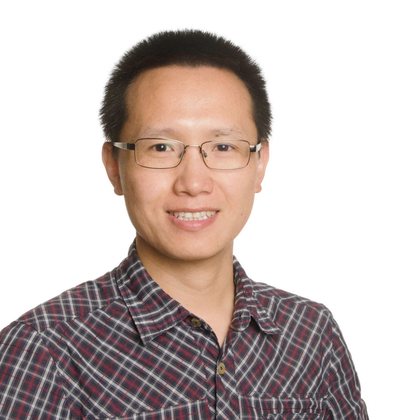
Changjun Yin

Changjun Yin

Professor of Experimental Medicine
Principal Investigator · Guest scientist in IPEK, LMU
More information

Research on immune injury of chronic inflammatory diseases, tertiary lymphoid structures and disease-specific T- and B-cell responses. Full profile, career and key publications are on the PI page.

Open PI profile →

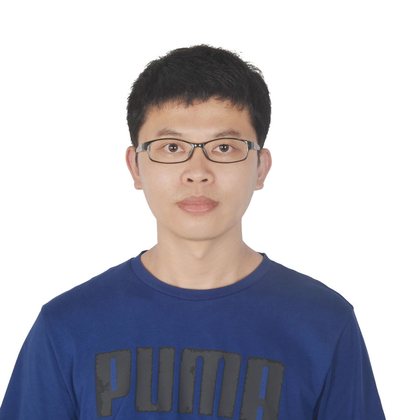
Chuankai Zhang

Chuankai Zhang

Physician / Postdoctoral Fellow
More information

I obtained my PhD from the Institute for Cardiovascular Prevention (IPEK) at Ludwig Maximilian University (LMU), where I extensively researched the complex mechanisms governing immune responses related to atherosclerosis. My research focuses on how the B cell immune response in artery tertiary lymphoid organs (ATLOs) interacts with atherosclerosis. Through this innovative work, we aim to uncover the role of ATLOs in atherosclerosis and define it as a bona fide autoimmune disease.

Selected publications

  1. Y. Ran et al. Regulator of G-protein signaling 14 (RGS14) promotes cancer growth in hepatocellular carcinoma. Cancer Genetics 294-295, 80-89 (2025).
  2. Zhang Y, Liu G, Zeng Q, … Yin C, Chen Z, Kuang M. CCL19-producing fibroblasts promote tertiary lymphoid structure formation enhancing anti-tumor IgG response in colorectal cancer liver metastasis. Cancer Cell 42(8):1370-1385.e9 (2024). PMID: 39137726.
  3. Wang Z, Zhang X, Lu S, Zhang C, … Habenicht A J R & Yin C. Pairing of single-cell RNA analysis and T cell antigen receptor profiling indicates breakdown of T cell tolerance checkpoints in atherosclerosis. Nat Cardiovasc Res 2, 290–306 (2023).
  4. Wang Z, Zhang X, Zhang C, … Yin C. Combined Single-Cell RNA and Single-Cell α/β T Cell Receptor Sequencing of the Arterial Wall in Atherosclerosis. Methods Mol Biol 2419:727-746 (2022). PMID: 35237998.
  5. Zhang X, Wang Z, Zhang C, … Yin C. Laser Capture Microdissection-Based mRNA Expression Microarrays and Single-Cell RNA Sequencing in Atherosclerosis Research. Methods Mol Biol 2419:715-726 (2022). PMID: 35237997.
  6. Yin C, Ackermann S, Ma Z, … Habenicht AJR. ApoE attenuates unresolvable inflammation by complex formation with activated C1q. Nat Med 25(3):496-506 (2019). PMID: 30692699.
  7. Zhang C, Zhang Y, Ding W, Lin Y, Huang Z, Luo Q. MiR-33a suppresses breast cancer cell proliferation and metastasis by targeting ADAM9 and ROS1. Protein Cell 6(12):881-9 (2015). PMID: 26507842.
  8. Mohanta SK, Peng L, Li Y, … Yin C, … Habenicht AJR. Neuroimmune cardiovascular interfaces control atherosclerosis. Nature 605(7908):152-159 (2022). PMID: 35477759.
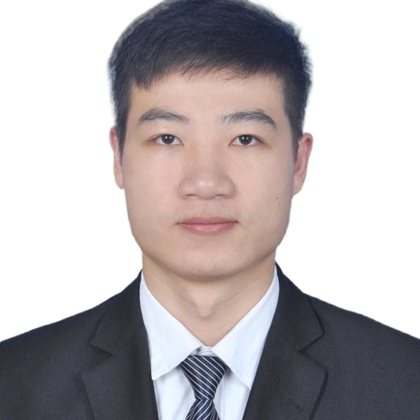
Zhihua Wang

Zhihua Wang

Postdoctoral Fellow
More information

I obtained my PhD degree at the Institute for Cardiovascular Prevention (IPEK) at the Ludwig Maximilians University (LMU) in Munich. My research focuses on the mechanisms that regulate immune tolerance in the development of atherosclerosis. In my recently published paper, I revealed the multilayered breakdown of peripheral T-cell immune checkpoints in advanced atherosclerosis.

Selected publications

  1. Zhihua Wang, Ting Sun, Yixin Zhang, … Andreas J.R. Habenicht & Changjun Yin. Fitness Training for γδ T cells in mouse and human atherosclerosis takes place in plaques and artery tertiary lymphoid organs. Genome Medicine (2026).
  2. Zhihua Wang, Xi Zhang, Shu Lu, … Changjun Yin. Nature Cardiovascular Research 2, 290–306 (2023).
  3. Livia Habenicht, Zhihua Wang, … Changjun Yin. The C1q-ApoE Complex: A New Hallmark Pathology of Virus Hepatitis and Nonalcoholic Fatty Liver Disease. Front Immunol 13:970938 (2022).
  4. Zhihua Wang, Xi Zhang, Chuankai Zhang, … Changjun Yin. Combined Single-Cell RNA and Single-Cell α/β T Cell Receptor Sequencing of the Arterial Wall in Atherosclerosis. Methods Mol Biol 2419:727-746 (2022).
  5. Xi Zhang, Zhihua Wang, … Changjun Yin. Laser Capture Microdissection-Based mRNA Expression Microarrays and Single-Cell RNA Sequencing in Atherosclerosis Research. Methods Mol Biol 2419:715-726 (2022).
  6. Zhihua Wang, Sheng Yuan, … Heru Chen. Regulation on SIRT1-PGC-1α/Nrf2 pathway together with selective inhibition of aldose reductase makes compound hr5F a potential agent for the treatment of diabetic complications. Biochem Pharmacol 150:54-63 (2018).
  7. Dan Tang, YingBin Shen, ZhiHua Wang, … Quan Zhu. Rapid Analysis and Guided Isolation of Astragalus Isoflavonoids by UHPLC-DAD-MSn and Their Cellular Antioxidant Defense on High-Glucose-Induced Mesangial Cell Dysfunction. J Agric Food Chem (2018).
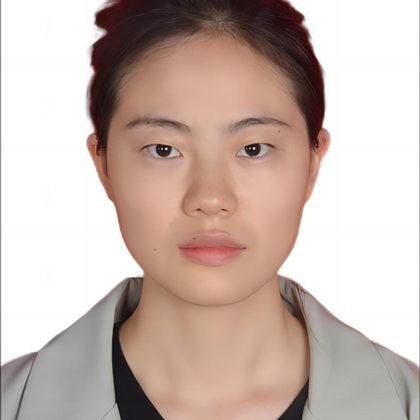
Ting Sun

Ting Sun

Postdoctoral Fellow
More information

I received my B.S. in Physiology from Xiamen University in 2016. I pursued my Ph.D. with Andreas Habenicht at Institute of Cardiovascular Prevention, University of Munich, and focused on the neuroimmune cardiovascular crosstalk in atherosclerosis. I joined Yin Lab as a postdoctoral fellow in 2024 to advance my work on neuroimmune crosstalk and expand my research into autoimmune responses in atherosclerosis.

Selected publications

  1. Sun T, Wang Z, Zhang C, … Mohanta SK, Habenicht AJR. Artery Tertiary Lymphoid Organs Establish Biological Platforms to Connect Atherosclerotic Plaques to the Brain. Curr Atheroscler Rep. 2026 Jan 31;28(1):19.
  2. Sun T, Monjezi MR, Xu X, … Mohanta SK. Three-Dimensional Imaging of Aortic Tissues in Atherosclerosis. J Vis Exp. (212) (2024).
  3. Mohanta SK, Sun T, … Habenicht AJR. The Impact of the Nervous System on Arteries and the Heart: The Neuroimmune Cardiovascular Circuit Hypothesis. Cells 12(20):2485 (2023).
  4. Mohanta SK, Peng L, … Sun T, … Habenicht AJR. Neuroimmune cardiovascular interfaces control atherosclerosis. Nature 605(7908):152-159 (2022).
  5. Sun T, Li Y, … Mohanta SK. Tissue Clearing Approaches in Atherosclerosis. Methods Mol Biol 2419:747-763 (2022).
  6. Wang Z, Zhang X, … Sun T, … Yin C. Pairing of single-cell RNA analysis and T cell antigen receptor profiling indicates breakdown of T cell tolerance checkpoints in atherosclerosis. Nat Cardiovasc Res 2(3):290-306 (2023).

Alumni

Bei Jin — Physician / Postdoctoral Fellow · jinb6@mail.sysu.edu.cn
Doctoral degree of pediatrics, currently a postdoctoral fellow in Pediatrics, specialized in nephrology and rheumatology. Research focuses on the molecular mechanisms of lupus nephritis with transcriptomic approaches.

News

Latest news & events

Sep2026

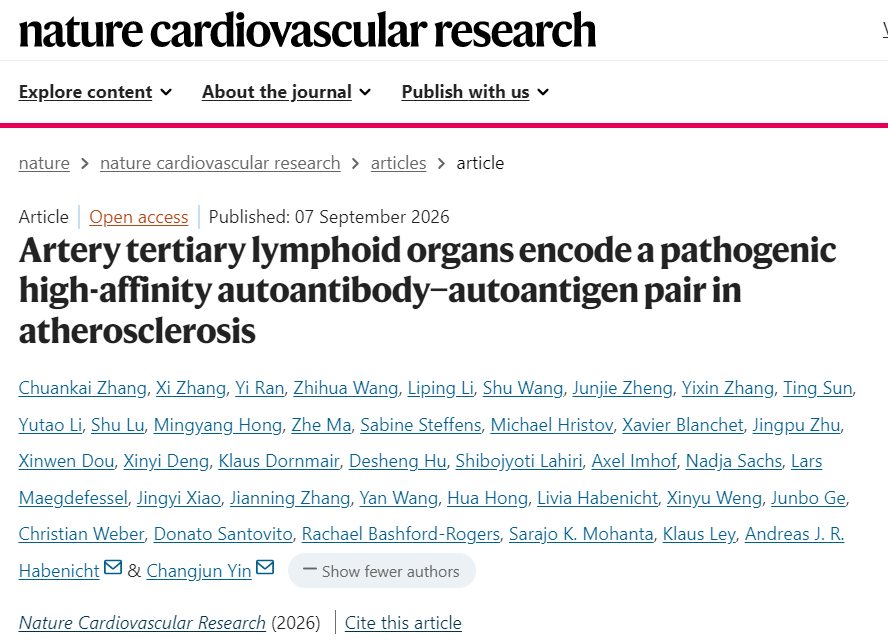
Professor Changjun Yin / Andreas Habenicht team's collaboration work published in Nature Cardiovascular Research

Research by an international consortium led by Professor Andreas Habenicht at LMU University Hospital and Professor Changjun Yin in Guangzhou, China — now reports in Nature Cardiovascular Research that, according to its findings, atherosclerosis satisfies crucial defining criteria of an autoimmune disease.

Article page of Nature Cardiovascular Research
Nature Cardiovascular Research (2026)
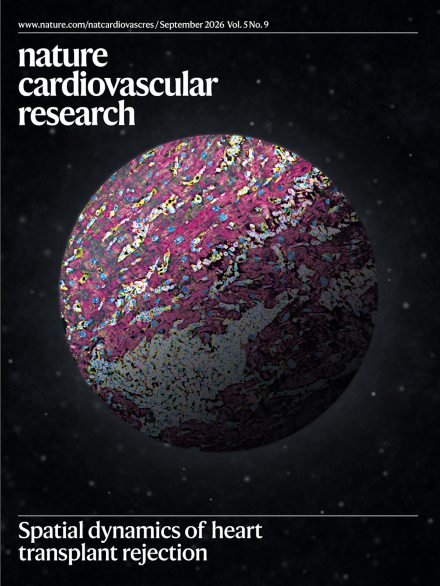
Journal cover
Journal cover, September 2026
Red: autoantibody; Green: smooth muscle cells
Read article   More news
Sep2026

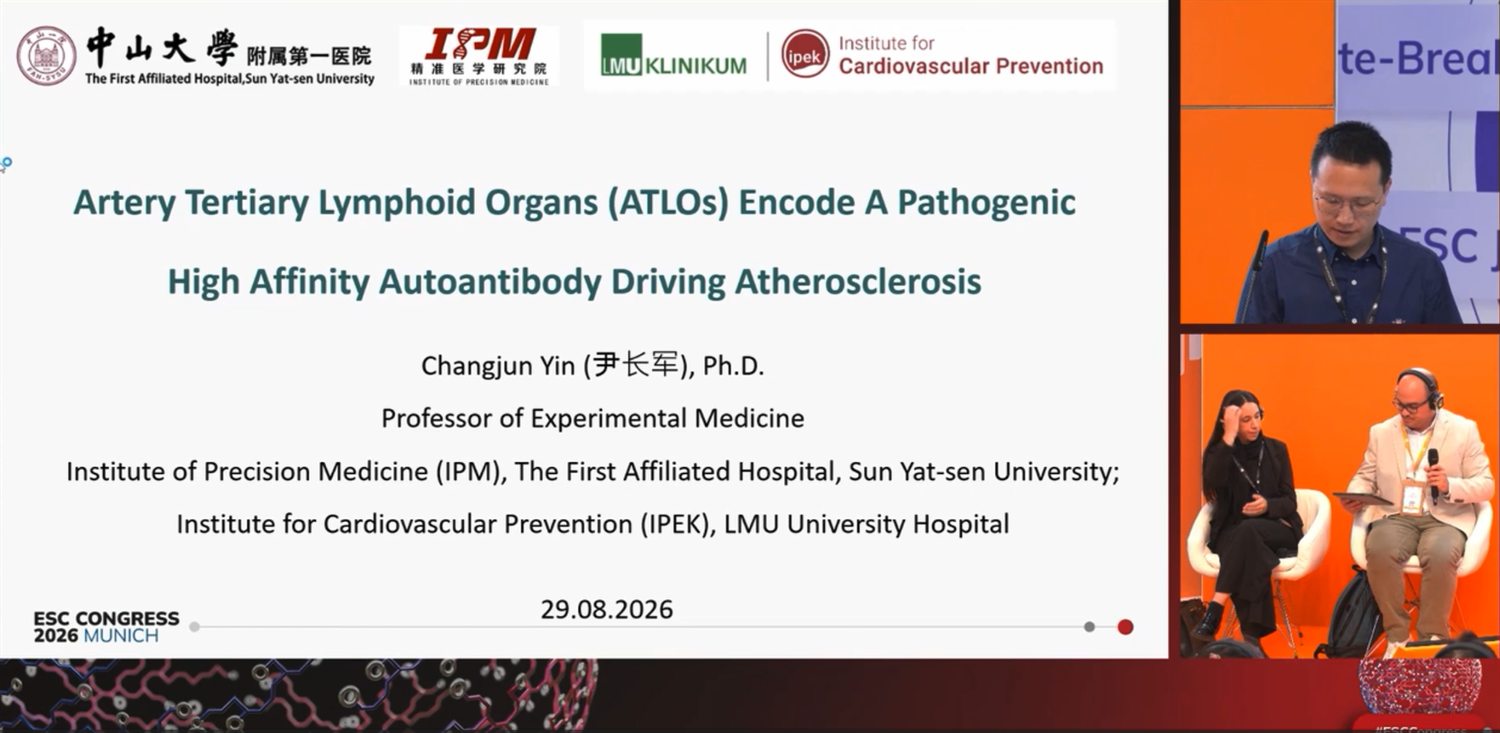
Professor Changjun Yin presented their work at European Society of Cardiology (ESC) Congress 2026 in Munich

Presentation at ESC Congress 2026 in Munich
ESC Congress 2026, Munich · 29 Aug 2026
Jul2026

Professor Ming Kuang / Shuling Chen / Changjun Yin team's collaboration work published in Cancer Cell

In collaboration with the research groups of Prof. Ming Kuang and Prof. Shuling Chen, this mechanistic study focused on hepatocellular carcinoma patients who received perioperative anti-PD-1 therapy. Our data identified two distinct subtypes of late-recurrence patients characterized by either T cell or B cell dominant responses within tumors. Through single-cell spatial transcriptomics and antibody cloning experiments, we show that anti-PD-1 induces local HBV-targeted antibody responses and complement-mediated anti-tumor activity.

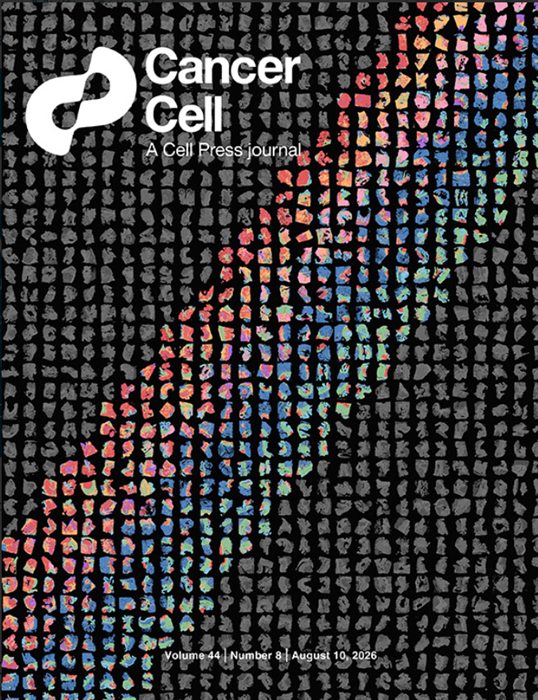
Cancer Cell cover
Cancer Cell, August 2026
Read article
Jun2026

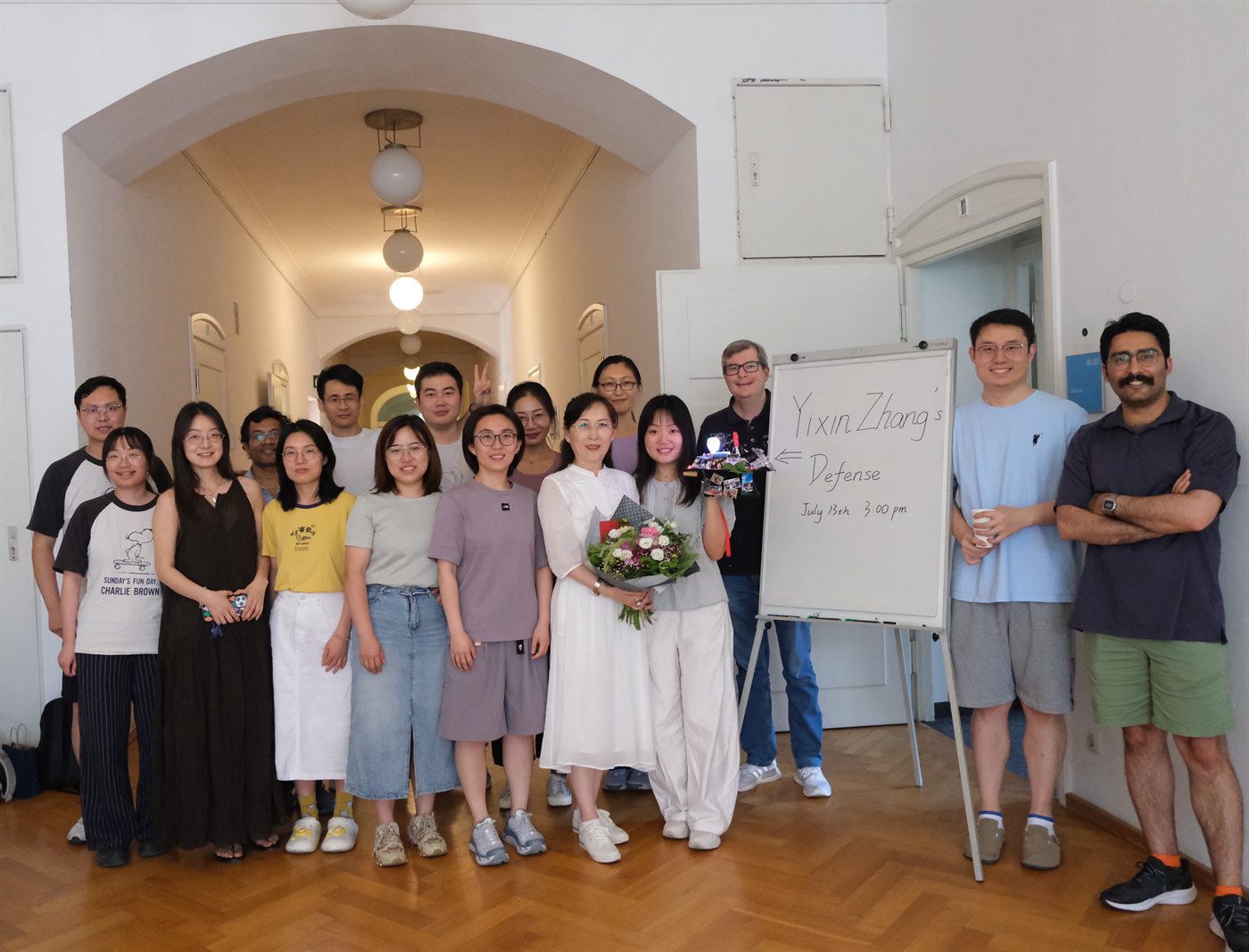
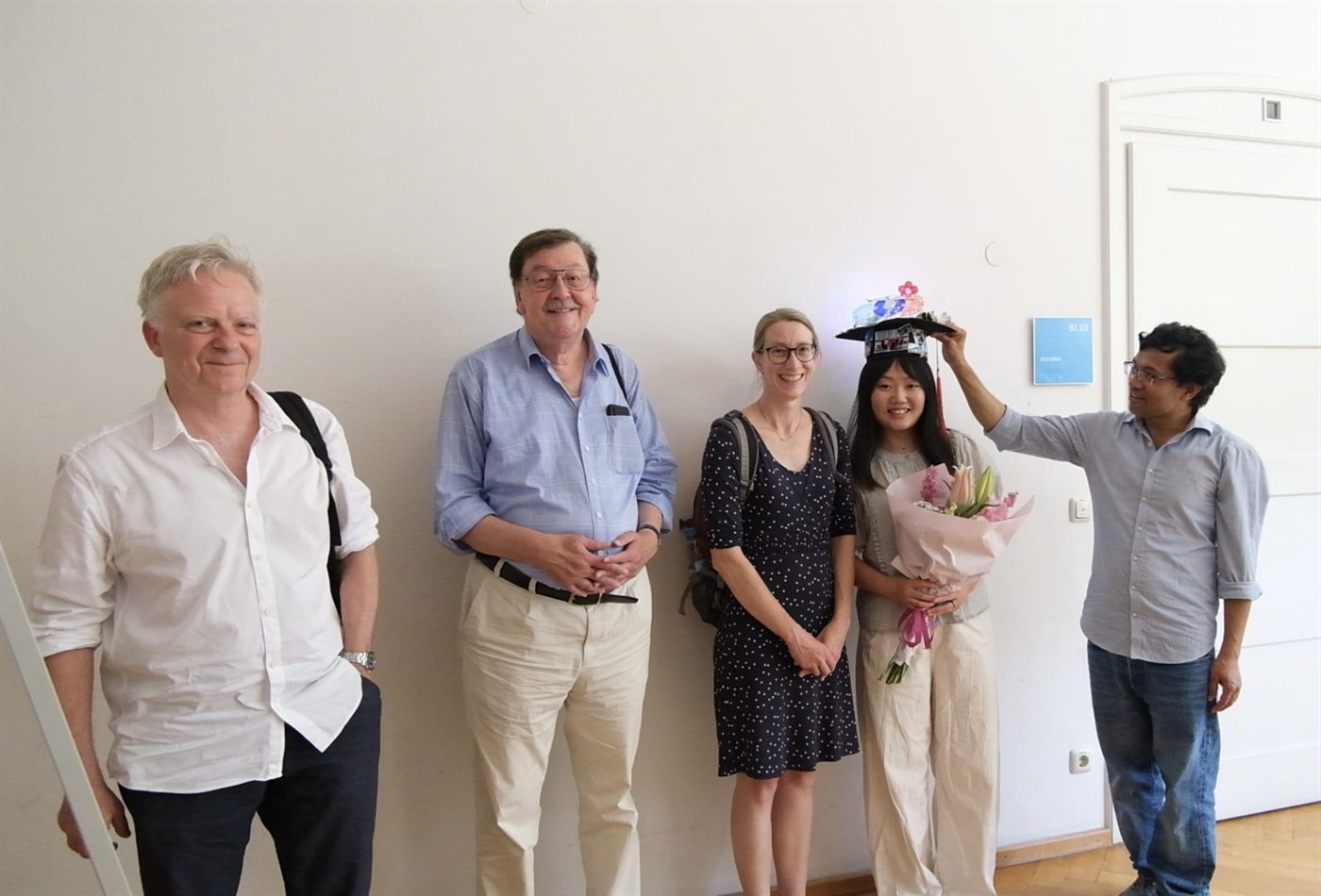
Warmest congratulations to Dr. Yi Ran on the successful defense of her PhD thesis

Dr. Yi Ran after her PhD defense
Dr. Yi Ran, PhD defense
Jun2026

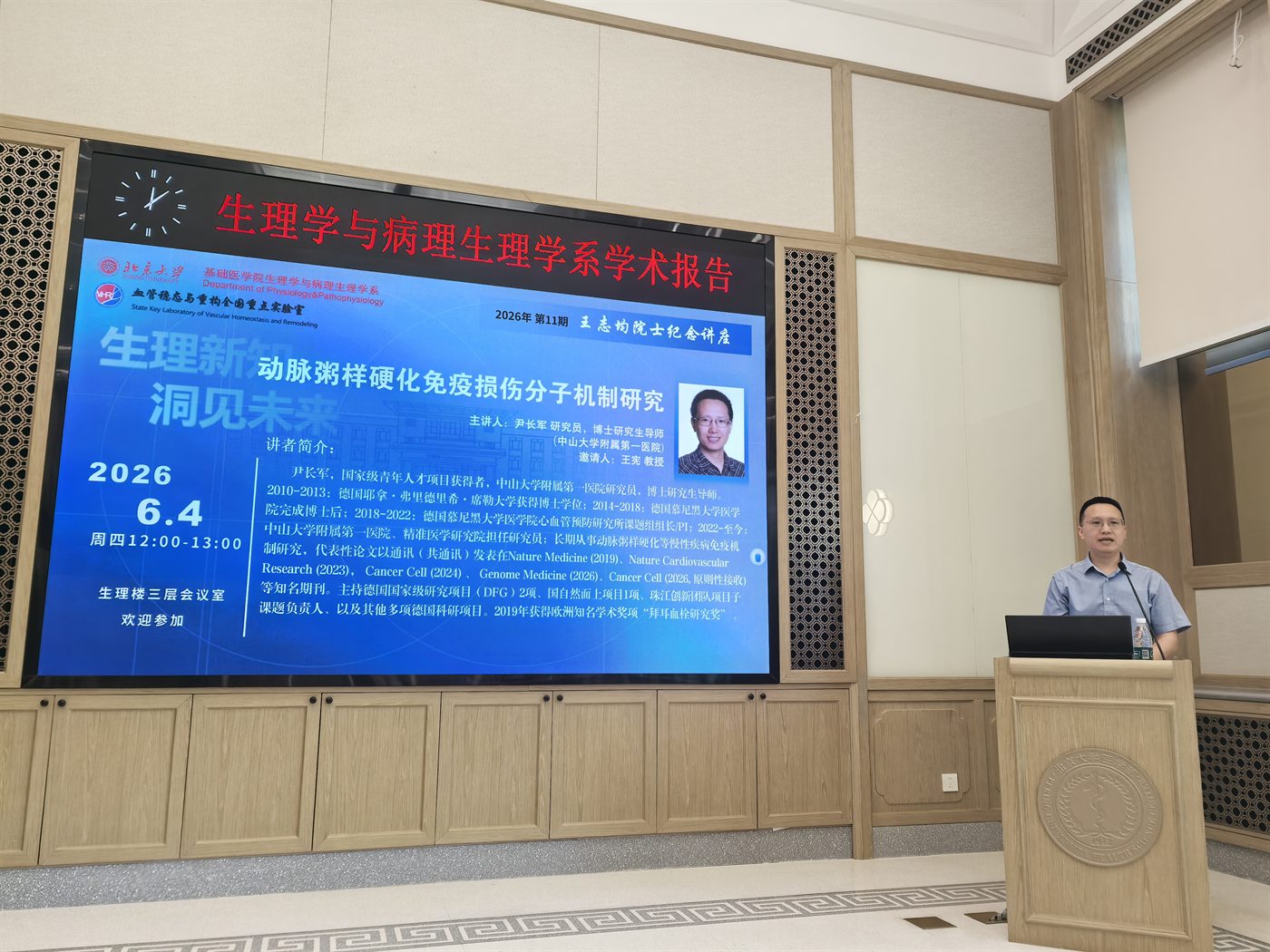
Prof. Yin was invited to present "王志均院士纪念讲座" lecture serials at Department of Physiology and Pathophysiology of Peking University

Lecture at Peking University
Peking University · 2026.6.4
May2026

Congratulations! Dr. Ting Sun received Guangdong Province Basic and Applied Basic Research Foundation (Guangdong-Guangzhou Joint Funds)

Feb2026

Research Article from Prof. Yin's Group Published in Genome Medicine

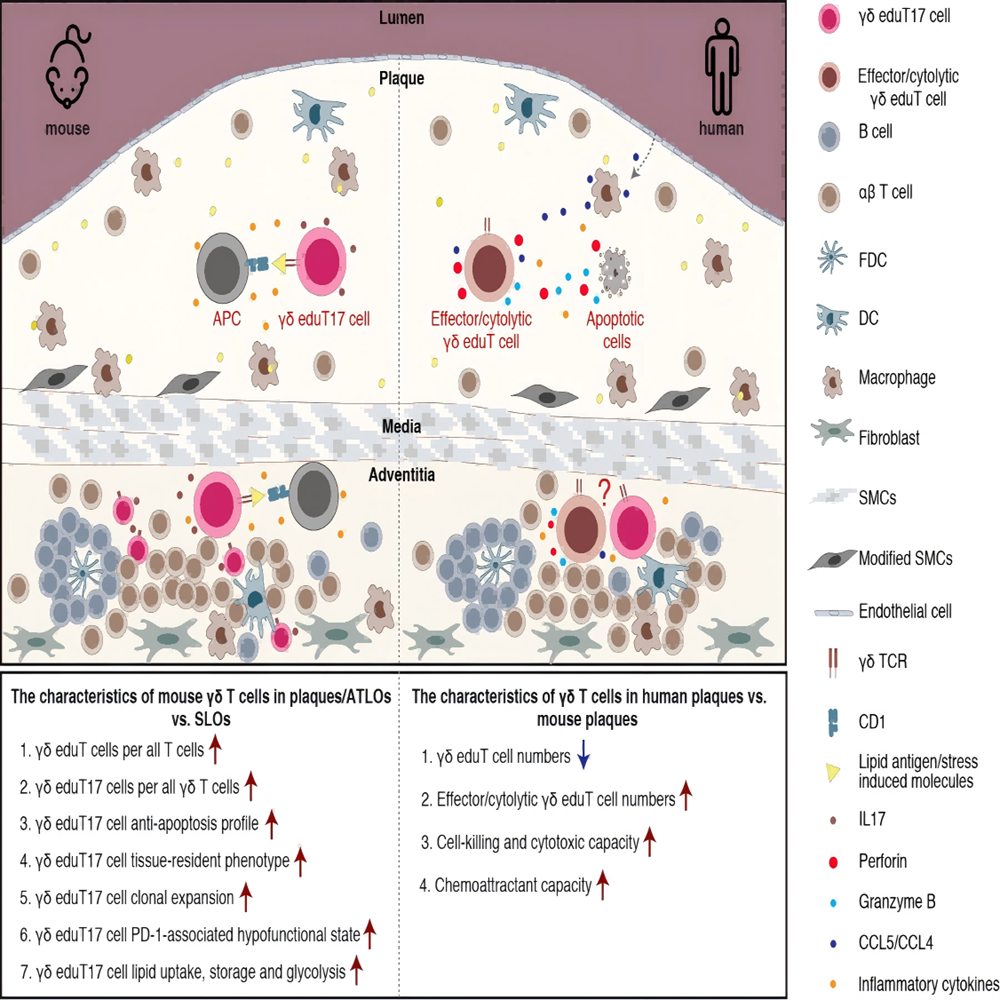
The research article from Prof. Yin's group, published in Genome Medicine, identifies γδ T cells as a previously underappreciated T cell population in atherosclerosis. In collaboration with the research groups of Prof. Andreas Habenicht and Prof. Sarajo K. Mohanta, this study reveals that murine atherosclerosis is characterized by the enrichment, education, and clonal expansion of proinflammatory γδ T17 (eduT17) cells within plaques and ATLOs. In contrast, human atherosclerotic plaques harbor γδ T cells with cytolytic features, suggesting divergent roles of γδ T cells between species. These findings highlight the importance of the local immune microenvironment in shaping γδ T cell function and underscore the need for caution when extrapolating mechanistic insights from mouse models to human atherosclerosis.

γδ T cell subsets in plaques and ATLOs
γδ T cell subsets in mouse plaques and ATLOs · human plaques
Read article
Jan2026

Invited review on artery-brain interfaces in atherosclerosis for Current Atherosclerosis Reports

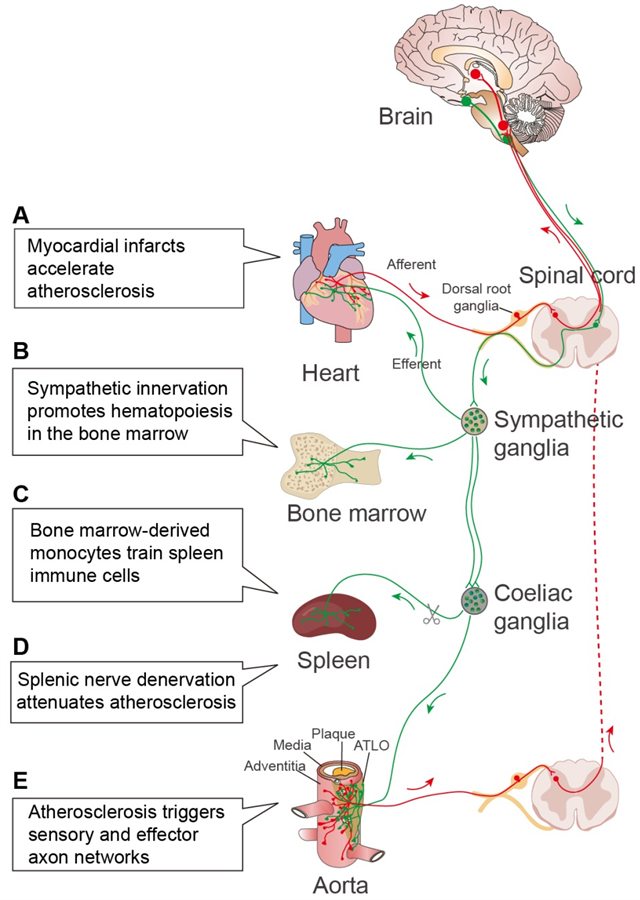
In collaboration with the AG Mohanta/Habenicht groups at Ludwig Maximilian University of Munich, we were invited to summarize recent advances in artery-brain circuits (ABCs) in atherosclerosis. ABCs establish bidirectional neuroimmune cardiovascular communication pathways linking the cardiovascular, nervous, and immune systems to drive disease progression through both local and systemic mechanisms. In particular, ABCs utilize the arterial adventitia, especially artery tertiary lymphoid organs (ATLOs), as powerful biological platforms to establish local neuroimmune cardiovascular interfaces (NICIs), thereby influencing atherosclerosis progression. In parallel, ABCs also exert distant effects on lymphoid organs, including the bone marrow and spleen, promoting hematopoiesis and splenic myelopoiesis and modulating immune cell recruitment into ATLOs and atherosclerotic plaques. Emerging evidence further suggests that vascular inflammation dynamically reshapes adventitial innervation, highlighting reciprocal interactions between neural, immune, and vascular networks during atherosclerosis progression.

Artery-brain circuits schematic
Artery–brain circuits
Read article
Jan2026

Invited review on neuroimmune cardiovascular interfaces for Immunological Reviews

In collaboration with AG Mohanta/Habenicht groups from LMU, Munich, we were invited to summarize the recent research progress on artery tertiary lymphoid organs (ATLOs). We proposed that ATLOs may serve as key hubs to facilitate three tissues interaction: the nervous system, the immune system, and the cardiovascular system.

Read article
Aug2025

Congrats to Dr. Bei Jin on receiving Grant from National Natural Science Foundation of China

About NSFC
Jun2025

Congratulations! Dr. Zhihua Wang received Special Funding from the China Postdoctoral Science Foundation

Apr2025

Dr. Chuankai Zhang's research results published in Cancer Genetics

Dr. Chuankai Zhang from our lab led the team published their work in Cancer Genetics. The article, titled "Regulator of G-protein signaling 14 (RGS14) Promotes Cancer Growth in Hepatocellular Carcinoma," presents new findings that contribute to the understanding of the molecular mechanisms underlying hepatocellular carcinoma (HCC). PhD students Yi Ran and Liping Li, and Dr. Zhihua Wang and Dr. Ting Sun shared the first authors.

Read article
Apr2025

Prof. Yin became Adjunct Professor at Institute of Advanced Studies, Hong Kong

Hong Kong, China

Oct2024

Prof. Yin presented their work at 16th Annual Meeting of Chinese Society for Immunology in Hangzhou

About CSI
Sep2024

Warmly welcome Dr. Ting Sun and Jingpu Zhu to join us

Aug2024

Professor Ming Kuang / Changjun Yin team's research results published in Cancer Cell

Prof. Ming Kuang's team, Vice-President of the First Affiliated Hospital and leader of Hepatobiliary and Pancreatic Surgery Center, in collaboration with Prof. Changjun Yin, has made an important progress in the field of immune microenvironment of colorectal cancer liver metastasis, and published their research results titled "CCL19-producing fibroblasts promote tertiary lymphoid structure formation enhancing anti-tumor IgG response in colorectal cancer liver metastasis."

Read article
Aug2024

Congrats to Dr. Zhihua Wang on receiving Grant from National Natural Science Foundation of China

About NSFC
Jul2024

Summer Vibes and Lab Life, in Guilin

Lab group photo
Lab life
Lab group photo
Lab life
Jun2024

Dr. Zhihua Wang presented our group's work at the Nature Conferences on Spatiotemporal Regulation of Metabolism in Wuhan

Jun2024

Prof. Andreas Habenicht was invited to visit our lab and gave a talk

We had the honor of hosting Prof. Andreas Habenicht from the Institute for Cardiovascular Prevention (IPEK) at Ludwig-Maximilians University for a wonderful talk on "Neuroimmune Cardiovascular Circuits".

During his talk, Prof. Andreas Habenicht shared about the fantastic story about their recent research on neuroimmune-arterial interfaces and their role in regulating the progression of atherosclerosis. His team has provided proof-of-principle evidence that the nervous system can sense and affect atherosclerosis via proxy actors, i.e. immune cell aggregates in the adventitia. His group recently identified and functionally delineated interactions between nerves in the adventitia, artery tertiary lymphoid organs (ATLOs) and arteries that we termed neuroimmune cardiovascular interfaces (NICIs).

Prof. Andreas Habenicht is a full professor at the Institute for Cardiovascular Prevention (IPEK) at Ludwig-Maximilians University. His lab has achieved several landmark discoveries in atherosclerosis in recent years, including: (i) elucidating neuroimmune-cardiovascular crosstalk in atherosclerosis; (ii) comprehensively characterizing artery tertiary lymphoid organs in atherosclerosis; (iii) identifying ApoE as a direct checkpoint of complement cascade activation; (iv) demonstrating the broad tolerance breakdown of T cells in atherosclerosis.

Lab visit
Lab visit & seminar
About Prof. Andreas Habenicht